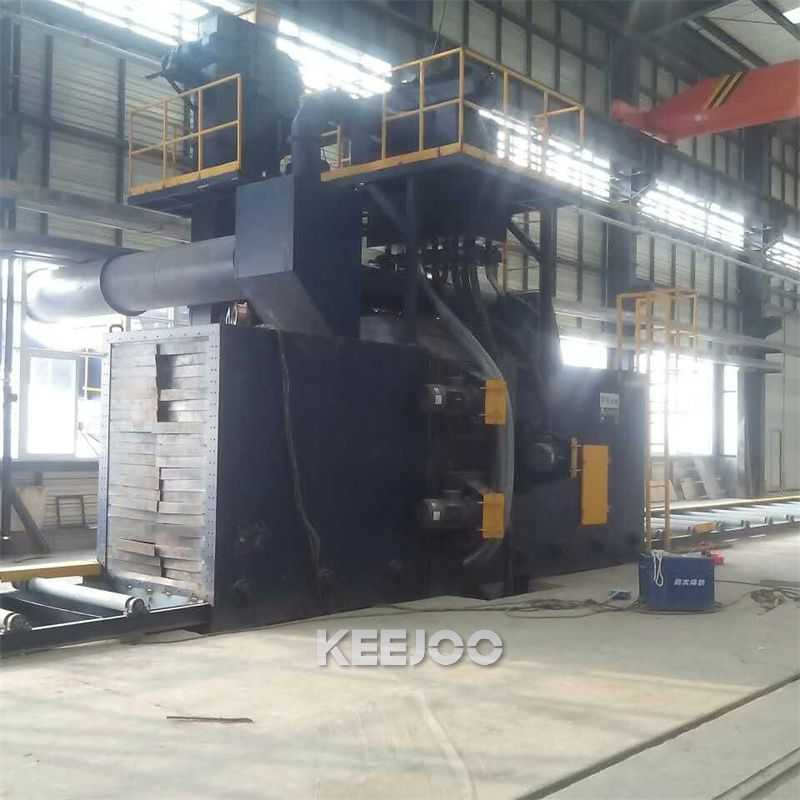
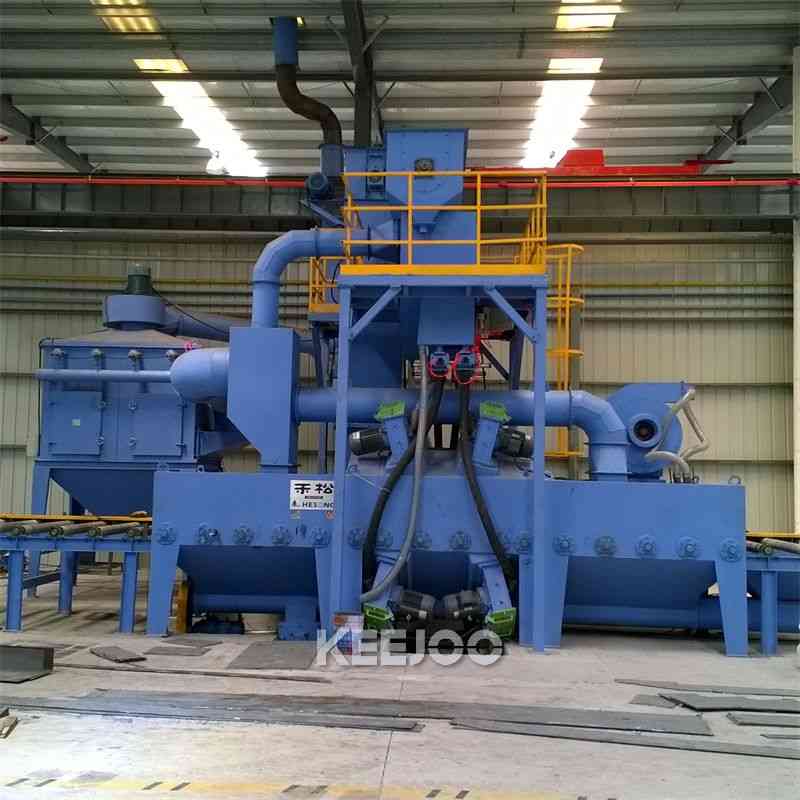
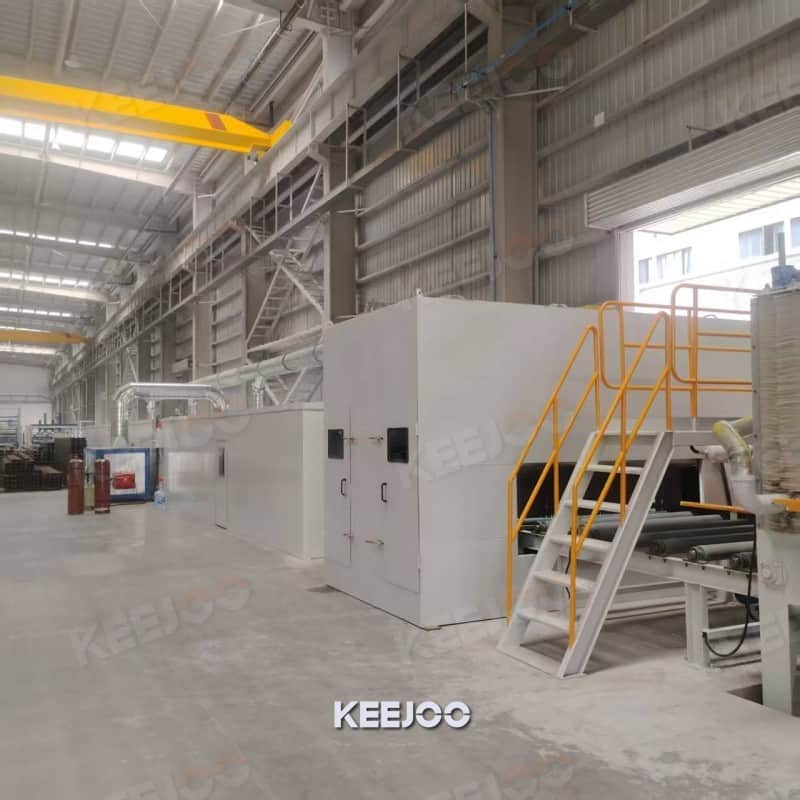
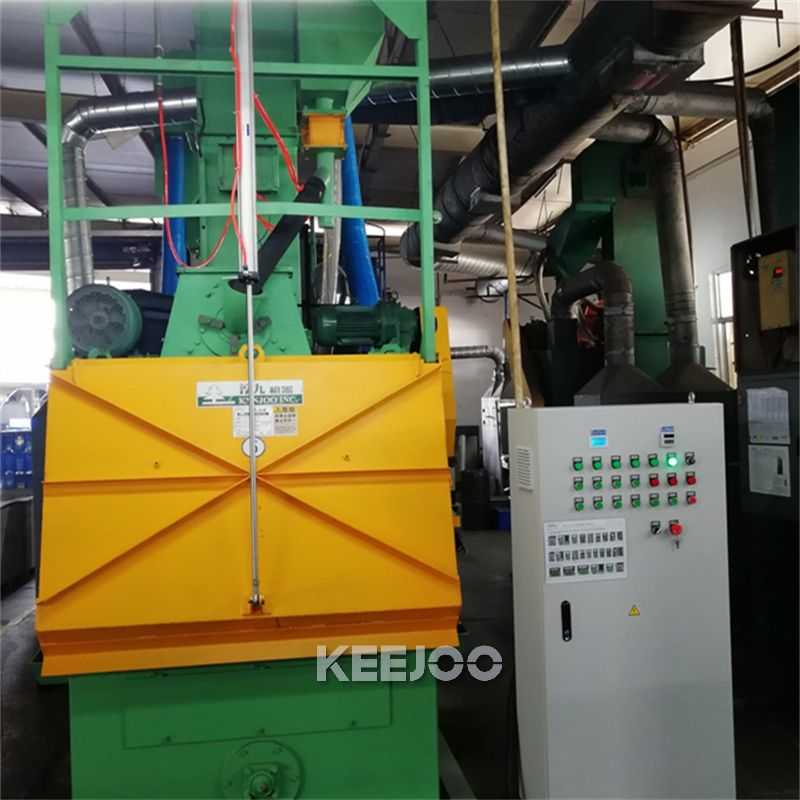
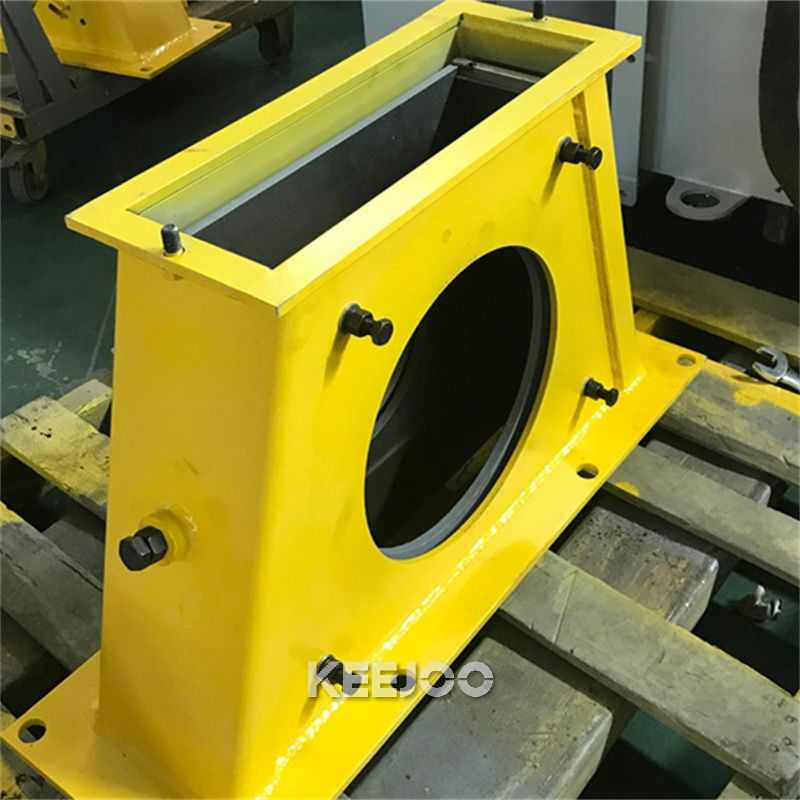
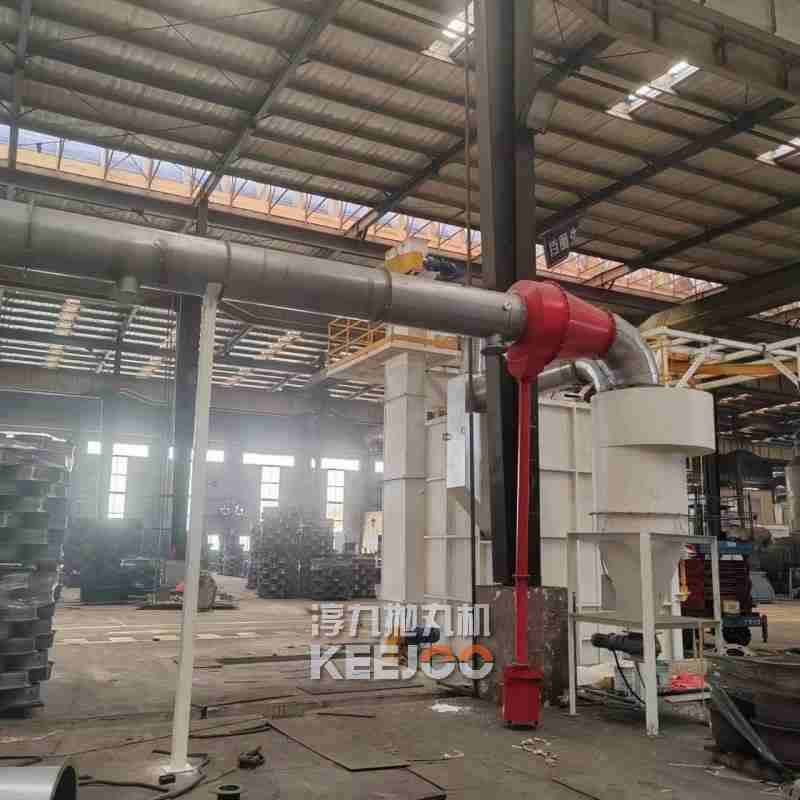
Use and maintenance of roller conveyor shot blasting machine
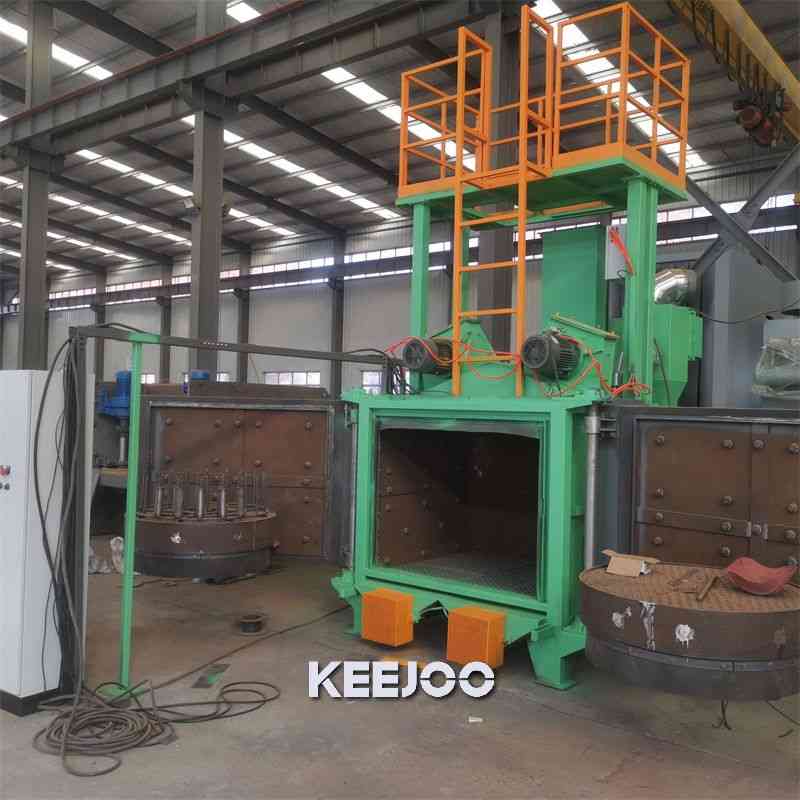
Roller conveyor shot blasting machines are primarily used for rust removal and painting of steel plates, profiles, and structural components in industries such as shipbuilding, automotive, rolling stock, bridges, and machinery. Compared to other equipment, roller conveyor shot blasting machines experience greater self-damage during operation. Therefore, to extend the life of the equipment and improve efficiency, maintenance is crucial. Based on years of experience in operating and repairing equipment, in addition to being familiar with routine maintenance and inspections, common equipment troubleshooting techniques are essential.
1. Equipment Usage Precautions:
1) Employees must undergo training and familiarize themselves with operating procedures. They must understand the equipment's structure and operating principles, including shot blasting material storage capacity, shot blasting head flow rate, roller conveyor inverter adjustment, dust removal air volume, and the upper and lower limits of various instruments.
2) Based on the material being shot blasted and ensuring that the shot blasting cleaning standard is met, the required number of shot blasting heads, material placement, speed, shot blasting time, and flow rate must be appropriately selected. The sole purpose is to minimize or eliminate idle blasting time, reduce equipment wear, and improve equipment efficiency. Idle blasting is the greatest disadvantage of shot blasting machines!
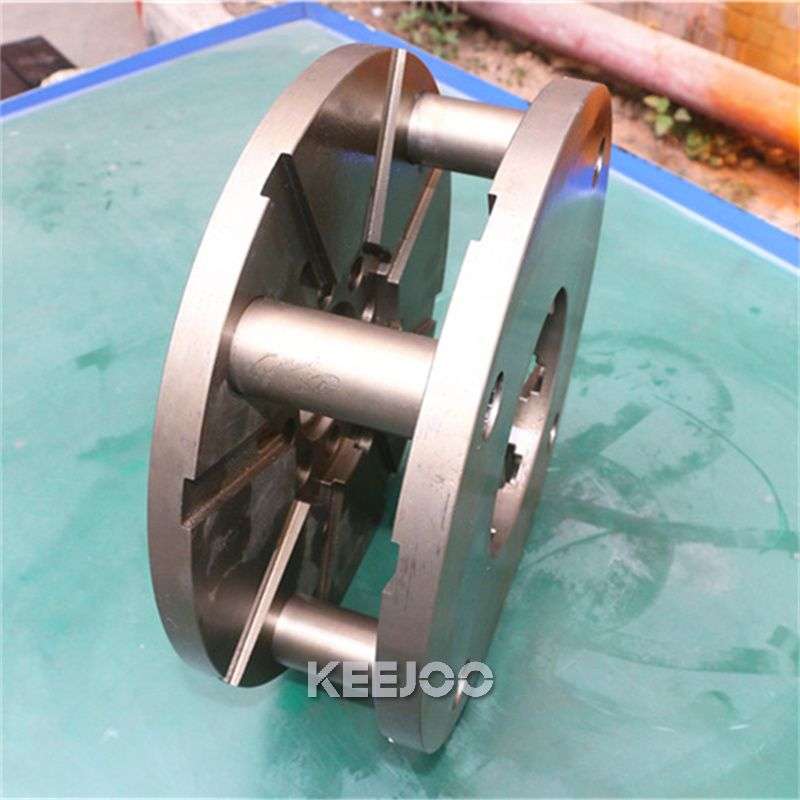
3) Pre-shift Inspection: Requirements may vary from manufacturer to manufacturer, but inspections of the blasting head, elevator, and each screw are mandatory. Check noise levels, vibration amplitude, and any abnormal sounds to ensure they are within controllable limits. If time permits, open the inspection door and inspect the blasting head guard and blades for holes, cracks, or breaks. Separate the filter and perform waste removal.
4) Shift Handover: Inform the employee taking over of the equipment's operation during the shift, including normal operation, any replacement of wearing parts, and any precautions. Keep records.
5) During Operation: The length of the material to be added must be less than the specified length (if the material is loaded, it should be greater than two bags). Small materials should be placed on a dedicated loading platform, ensuring proper spacing and controlled roller speed. Ensure the blasting head is operating properly and is free of shot leakage. If so, note the location for easy maintenance. Clean the steel shot from the floor promptly.
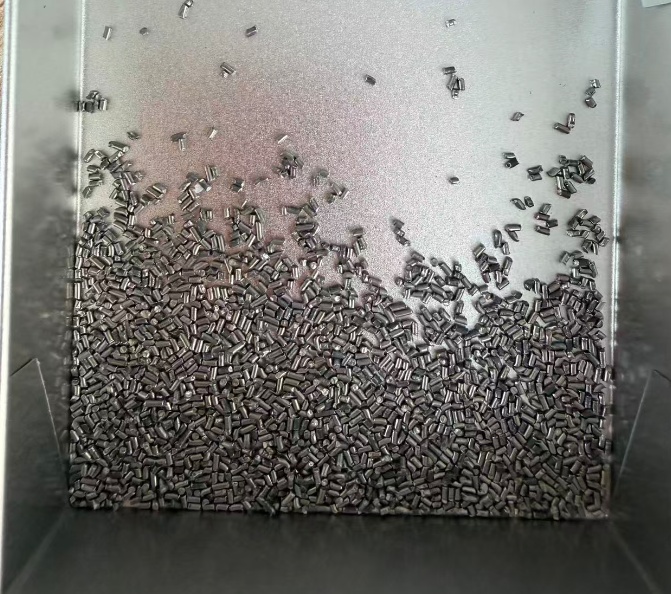
6) Steel Shot Replenishment: New and old steel shot should be used in a specific ratio (requirements vary by manufacturer). Based on experience, the following ratio is recommended: cast shot should not exceed half the total amount, and shear shot should not exceed one-third. Add small amounts frequently. Otherwise, excessive roughness will result, increasing paint usage and product costs.
2. Daily Inspection and Maintenance:
The machine should be inspected, maintained, and lubricated regularly. Tools, screws, and other debris must not be left inside the machine during inspection.
1) Check that the wear-resistant rollers in the shot blasting chamber are tightly installed to prevent shot from penetrating and damaging the roller shaft.
2) Check the wear of the roller cover in the chamber regularly and replace any damage promptly.
3) Inspect the plates and cast nuts in the shot blasting chamber and replace any damage promptly.
4) Regularly inspect and replace the rubber sealing curtains on both sides of the chamber.
5) Check that all maintenance doors in the shot blasting chamber are tightly closed. The rubber sealing curtains at the front and rear inlets and outlets of the chamber must not be opened.