How to assess the operating status of shot blasting equipment
Evaluating the operational status of shot blasting equipment requires a systematic inspection from multiple dimensions, including performance efficiency, operational stability, environmental compliance, maintenance status, and safety. The following is a comprehensive evaluation method based on publicly available information:
Core Evaluation Indicators
1. Cleaning Efficiency and Process Effect
Processing Capacity: Measure the equipment's cleaning volume per hour (kg/h) and make a comprehensive judgment based on workpiece size and shot blasting intensity. For example, a high-efficiency model can clean 30-50 valves at a time, increasing efficiency by more than 40% compared to traditional processes.
Cleaning Uniformity and Coverage: Check whether the workpiece surface (especially internal cavities and complex structures) is free of dead corners. High-quality equipment can reduce surface roughness from Ra12.5μm to below Ra3.2μm, meeting the requirements of precision coatings. This is achieved by adjusting the shot blaster angle and distribution density.
Shot Blasting Parameter Matching: Evaluate whether the shot blaster speed (professional equipment typically uses 2800-3200 r/min), shot flow rate, and blasting angle are matched with the workpiece material and thickness. For example, thin-walled components require reduced strength to prevent deformation, while thick-walled components can increase flow rate.
Operational Stability and Mechanical Condition
Abnormal Sounds and Vibrations: Listen for abnormal noises (such as harsh sounds or impacts) or severe vibrations during operation. These are often early signs of bearing wear, impeller dynamic imbalance, or belt loosening.
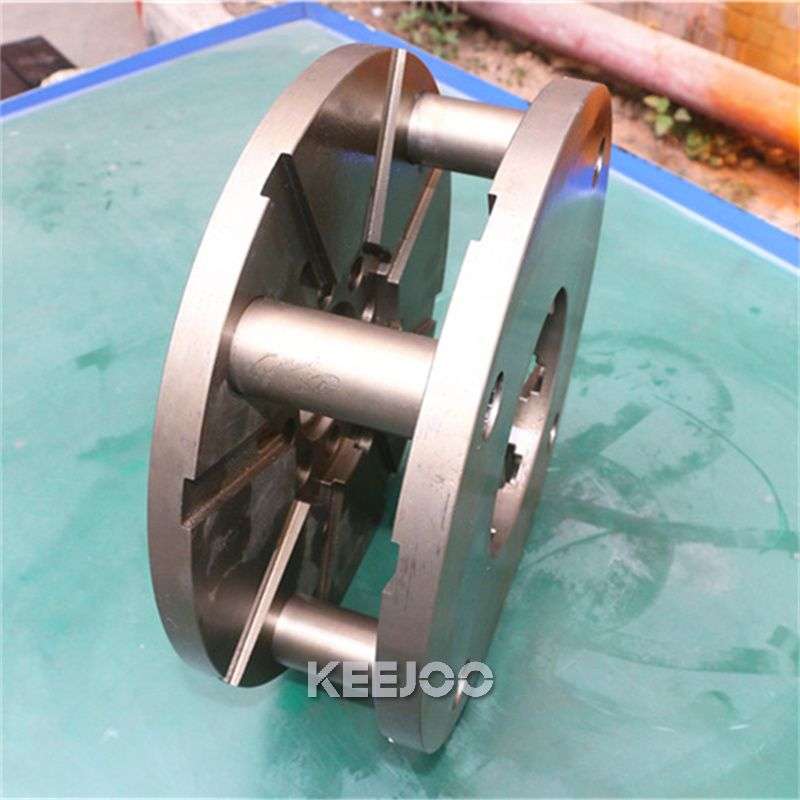
Critical Component Wear: Regularly check the condition of vulnerable parts, such as shot blasting blades, directional sleeves, shot distribution wheels, conveyor belts/chains, and sealing strips. Blades should be replaced when worn to half their original thickness or cracked.
Electrical and Control Systems: Check if the motor current and power are normal, if the control system response is sensitive, and if the emergency stop button and safety interlock devices are effective.
Temperature Monitoring: Touch the motor, bearings, etc. If the temperature rises abnormally (to the touch), it may indicate poor heat dissipation, insufficient lubrication, or overload. Environmental Performance and Energy Consumption
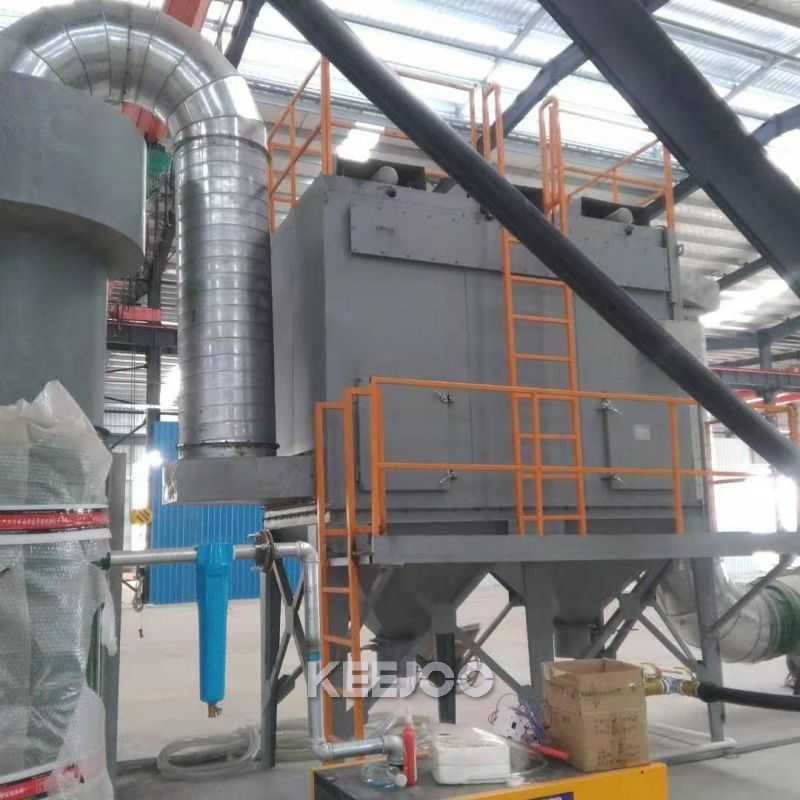
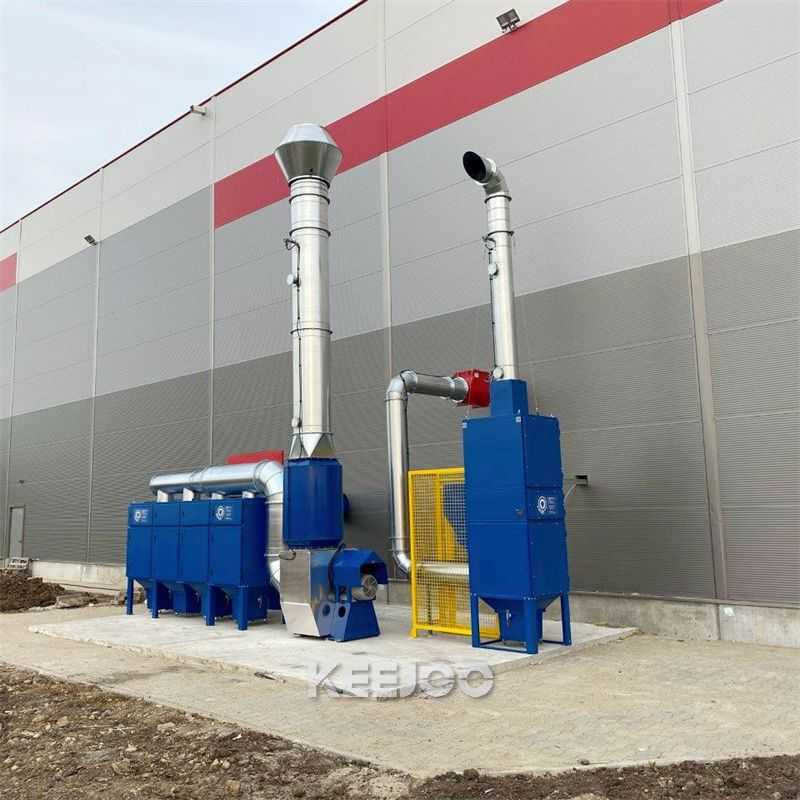
Dust Removal Efficiency: Test the dust concentration in the workshop. Modern equipment should be able to control the dust concentration below 10mg/m³ (compliant with GB16297-2020), and high-quality equipment can even achieve below 2mg/m³.
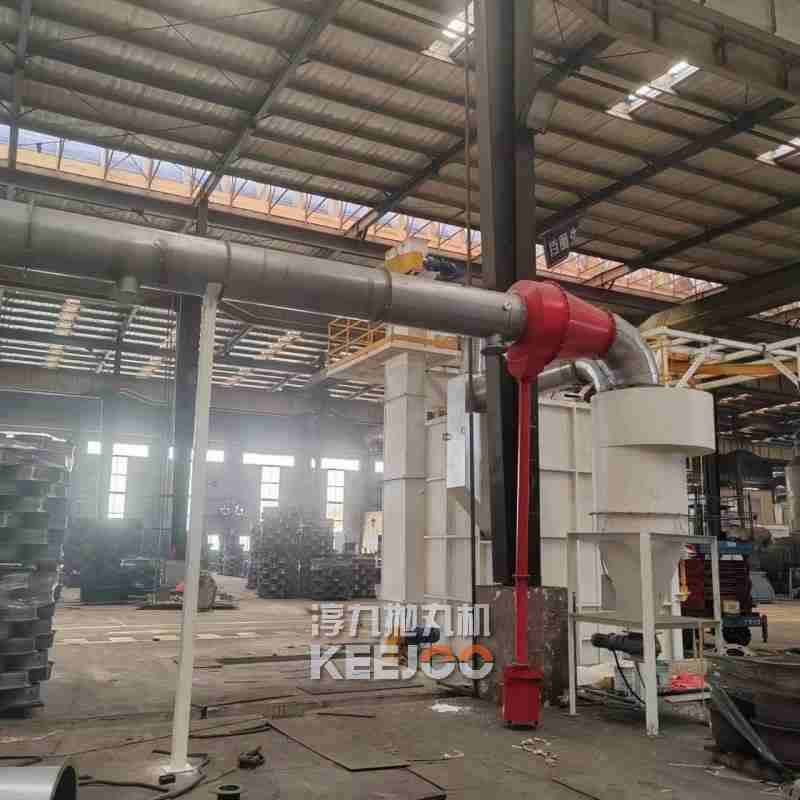
2. Check if the dust collector (bag filter, cyclone separator) is clogged and if the filter element is damaged.
Shot Recovery Rate: Evaluate the shot recovery efficiency of the closed-loop shot blasting system. Modern equipment should achieve above 95% to reduce consumable waste.
Energy Consumption Level: Compare the actual energy consumption of the equipment with the rated value. Abnormally high energy consumption may indicate equipment aging or malfunction. Energy-saving equipment can reduce no-load energy consumption by 15%-20% through frequency conversion speed regulation.
Maintenance and Reliability
Lubrication System: Check if the automatic lubrication system is working properly (e.g., automatic oiling every 200 hours), and whether the manual lubrication points are regularly lubricated with high-temperature grease. Maintenance Records: Review the equipment's daily inspection and periodic maintenance records. Good maintenance is the foundation for long-term stable operation of the equipment.
Mean Time Between Failures (MTBF): Statistically measure the frequency of equipment failures over a certain period. The longer the MTBF, the higher the reliability.
Safety
Protective Devices: Confirm that the sealing doors, protective curtains, and safety interlocks of the cleaning chamber are intact and tightly closed to prevent projectiles from flying out and injuring personnel.
Environmental Safety: Ensure that the work area is free of dust, projectile accumulation, and oil stains, and complies with safe operating procedures.
Assessment Methods Summary
Daily Observation: Operators should perform "listen, look, touch, and check" (listen for abnormal noises, observe uniformity and sealing, feel temperature, and check vulnerable parts and dust) before starting, during operation, and after shutdown. Professional Testing: Regular (e.g., quarterly, annually) systematic testing by professionals using instruments such as vibration analyzers, sound level meters, thermal imagers, and dust concentration meters to evaluate key parameters such as vibration, noise, temperature, and dust removal efficiency.
Performance Verification: Through load testing, the actual cleaning effect, efficiency, and stability of the equipment are tested using standard workpieces.
Combining the above aspects, a comprehensive and objective assessment of the shot blasting machine's operating status can be achieved, potential problems can be identified in a timely manner, and maintenance strategies can be optimized, thereby ensuring production efficiency, product quality, and a long service life for the equipment.