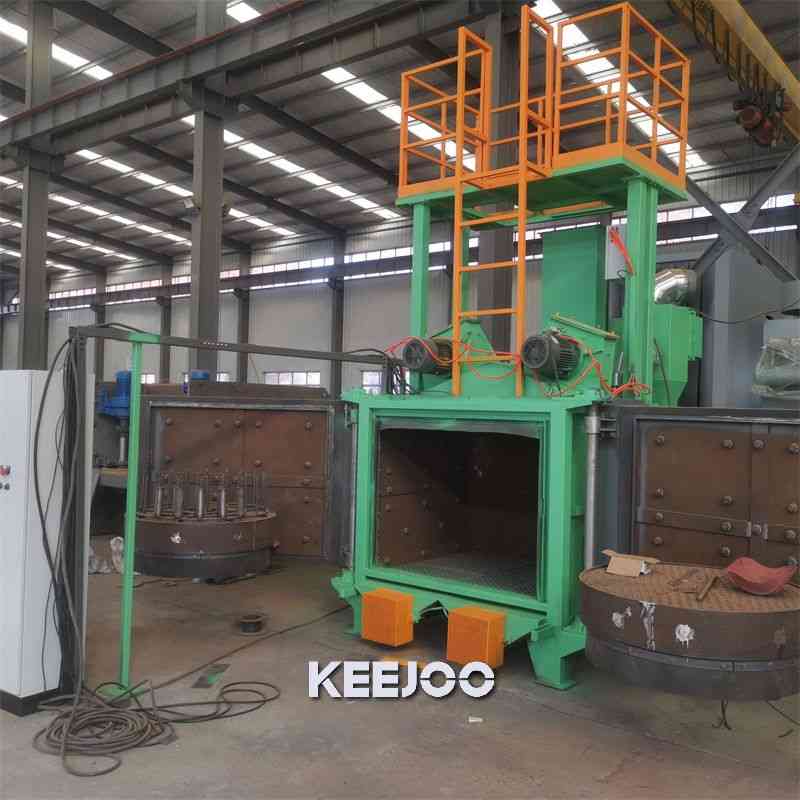
What are the hazards of dust generated by shot blasting machines?
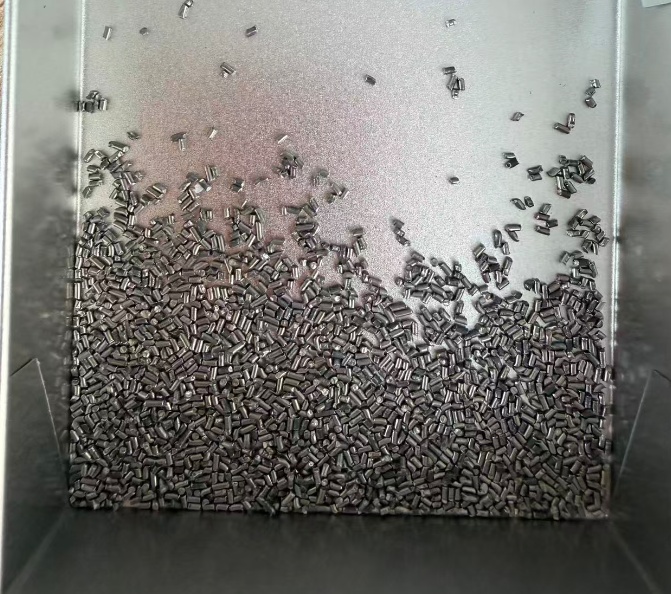
The dust generated by shot blasting machines mainly originates from the removal of oxide scale and rust layers from metal workpieces, as well as the abrasion process of steel shot. Its hazards involve multiple aspects, including health, safety, and the environment.
Health Hazards: The dust primarily consists of metal shavings and abrasive particles, classifying it as inhalable particulate matter (such as PM2.5 or PM10). Long-term inhalation may lead to respiratory diseases, including chronic bronchitis and asthma. High dust concentrations without adequate protection may also increase the risk of pneumoconiosis, manifesting as coughing, chest pain, and difficulty breathing. Furthermore, the dust may carry oil or coating decomposition products, which, upon inhalation, may irritate the respiratory tract or cause other chronic health problems.
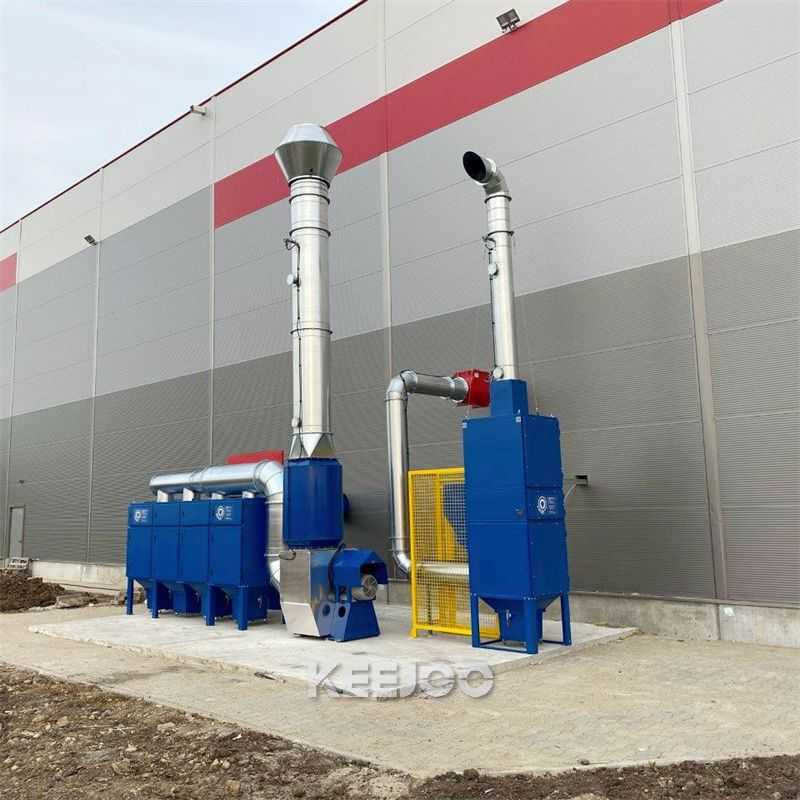
Safety Risks: When the dust is flammable (such as aluminum or magnesium dust), accumulation to a certain concentration in enclosed spaces like dust collectors can trigger a dust explosion upon contact with sparks, static electricity, or high temperatures, causing serious safety accidents. Dust can also reduce visibility in the workplace, increasing the risk of operational errors. Environmental Impact: Dust emissions pollute the air, and its particulate matter can settle in the surrounding environment, causing long-term impacts on soil and water bodies. Furthermore, the metallic components in the dust may be potentially toxic, necessitating the control of emissions through effective dust removal systems.