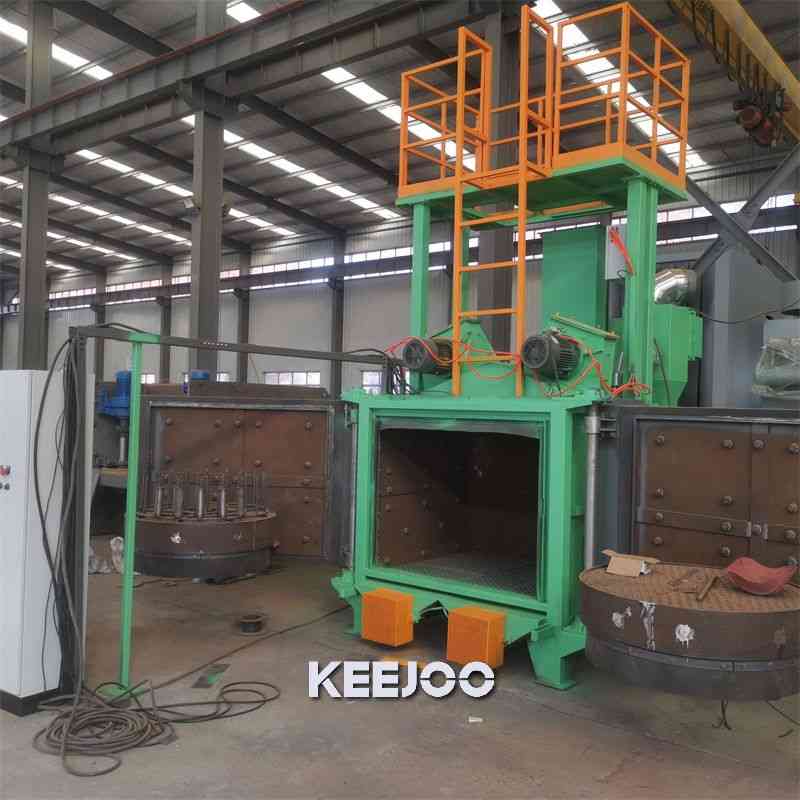
How to improve the cleaning efficiency of shot blasting machines
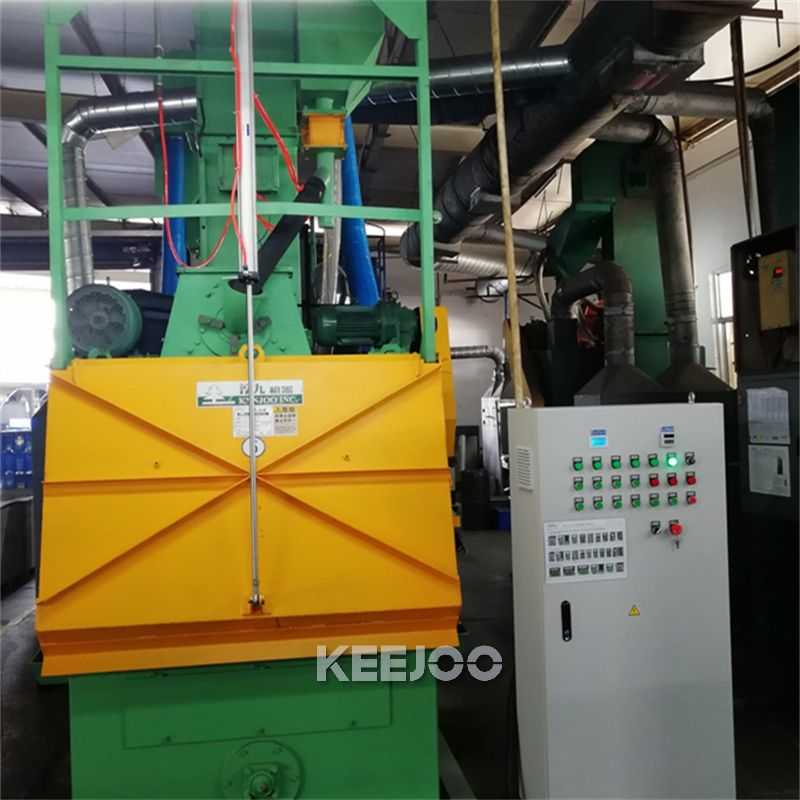
Improving the cleaning efficiency of shot blasting machines requires a comprehensive approach encompassing equipment optimization, process adjustment, workpiece handling, operation management, and environmental control. The following provides specific methods based on common technical approaches.
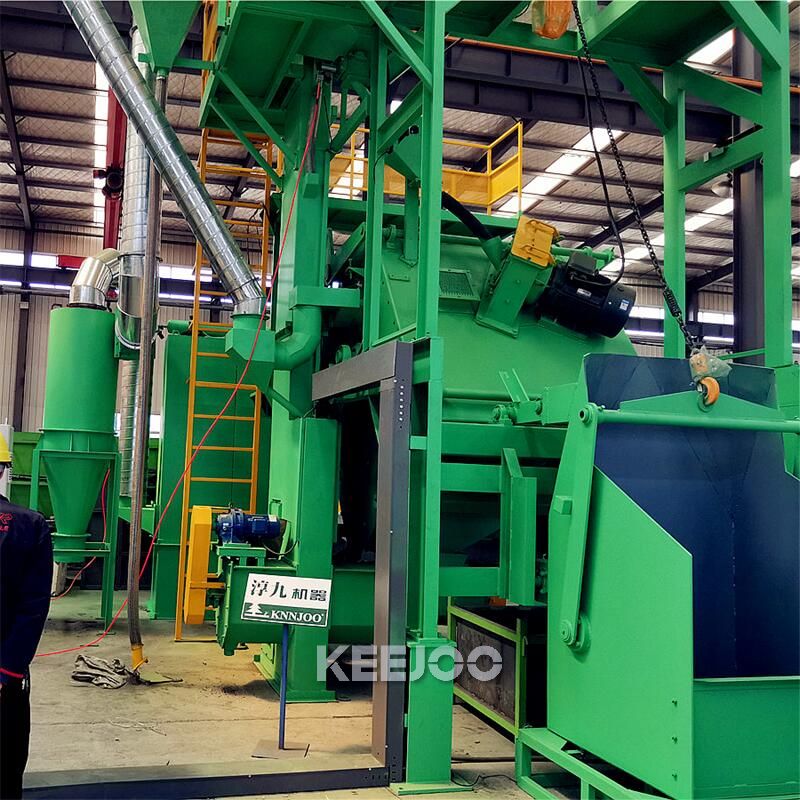
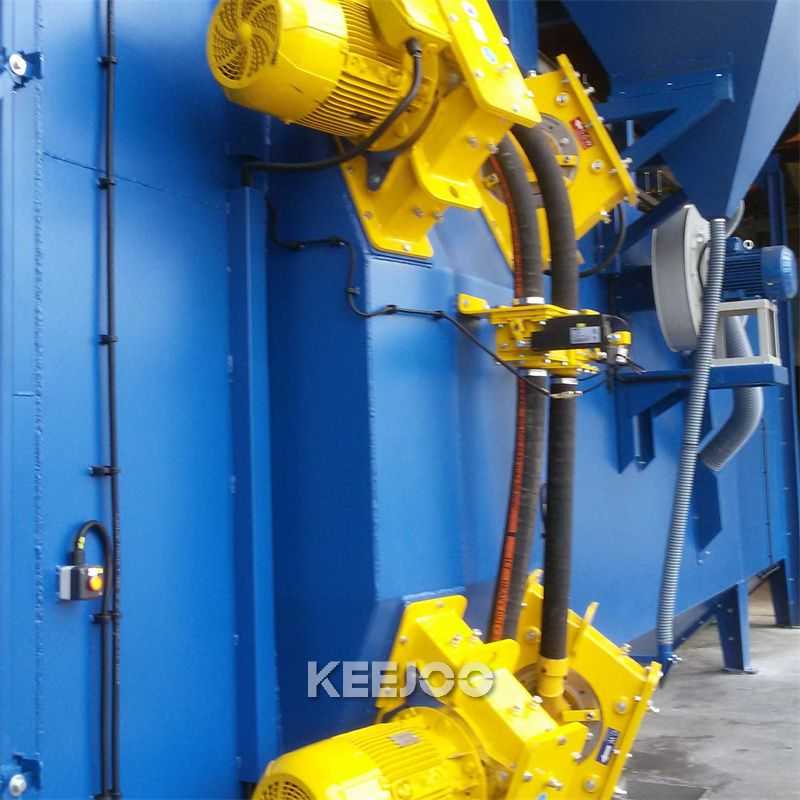
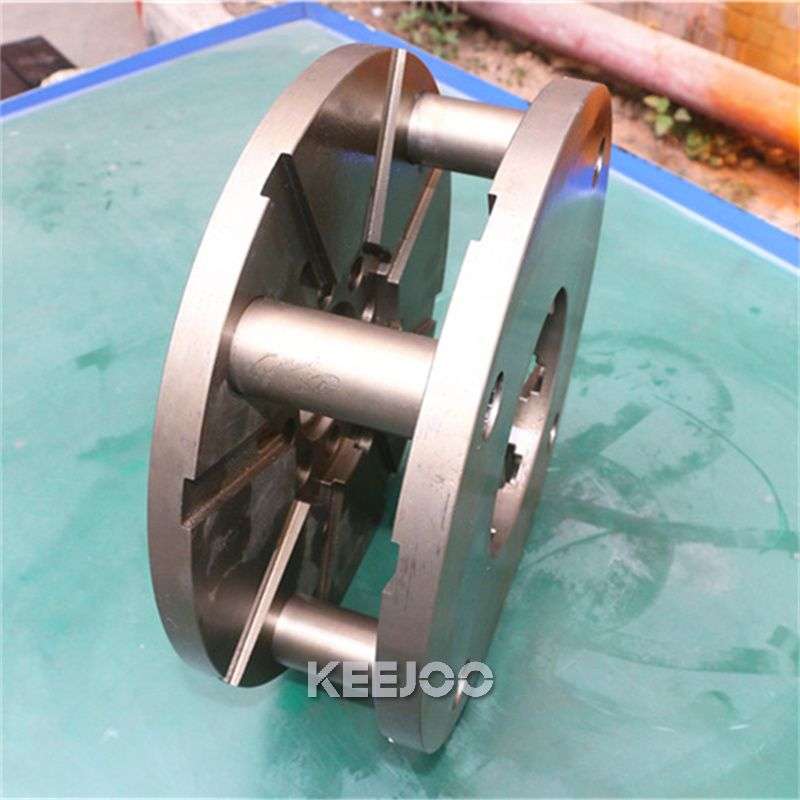
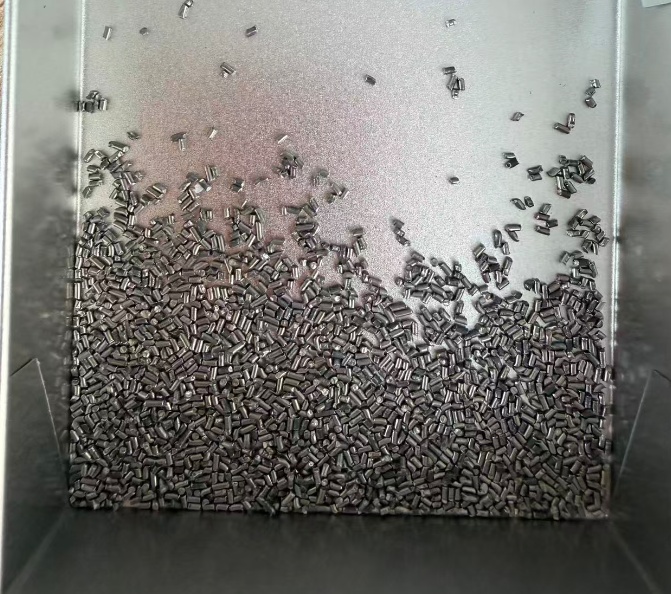
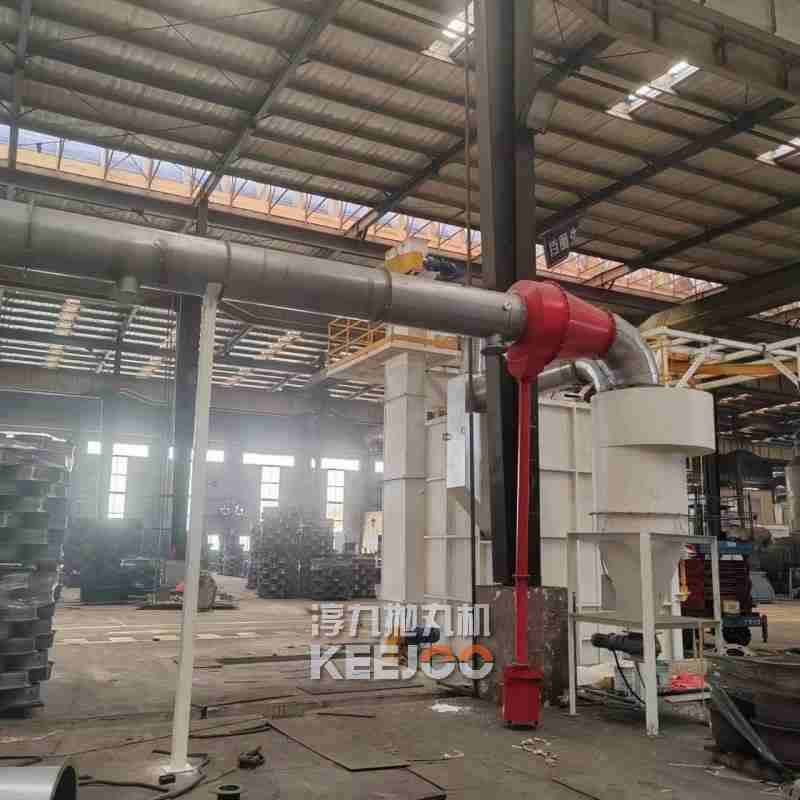
**Equipment Optimization and Upgrading:** The performance of core components directly impacts efficiency. For example, upgrading the shot blaster (e.g., replacing it with a high-power motor or optimizing the transmission system to increase the rotational speed by 10%-20%) can increase the shot blasting speed and impact force, shortening cleaning time. Optimizing the shot blaster layout (e.g., increasing the number or adjusting the angle) ensures thorough coverage of the workpiece surface, improving efficiency by 20%-30%. Simultaneously, improving the shot circulation system (e.g., replacing it with a high-efficiency separator or a high-power elevator) can increase shot utilization and reduce waste. **Precise Control of Process Parameters:** Optimizing parameters based on workpiece material and shape, such as precisely controlling shot blasting time (avoiding over- or under-cleaning), adjusting shot blasting angle and speed (using 45°-60° angle for complex workpieces), and selecting appropriate abrasives (steel shot for high-hardness workpieces, and wire cut shot for thin-walled parts), balances cleaning effect and quality. For example, one company improved efficiency by 10% by adjusting abrasive particle size.
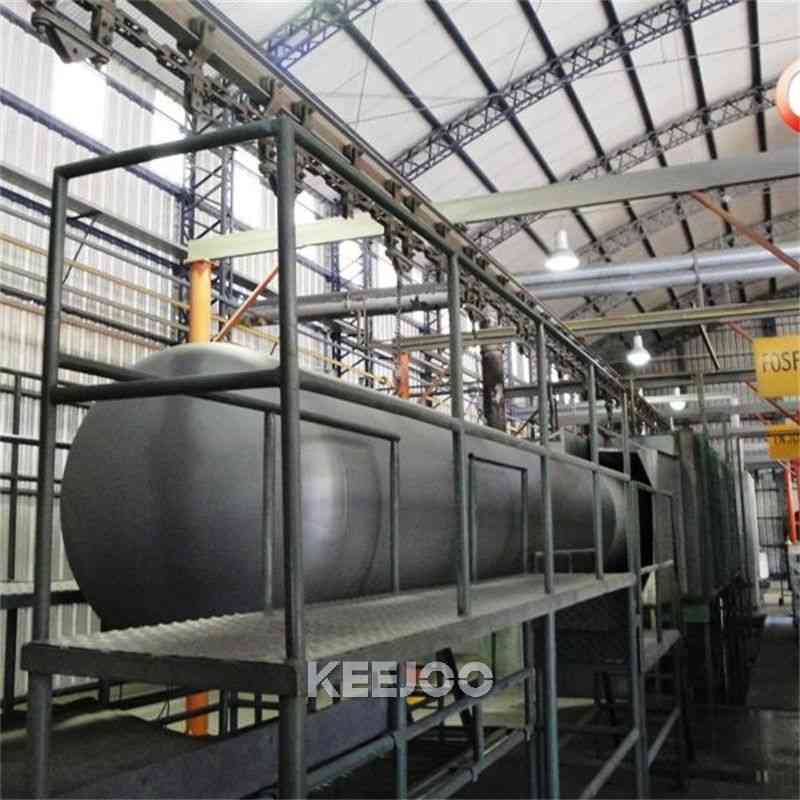
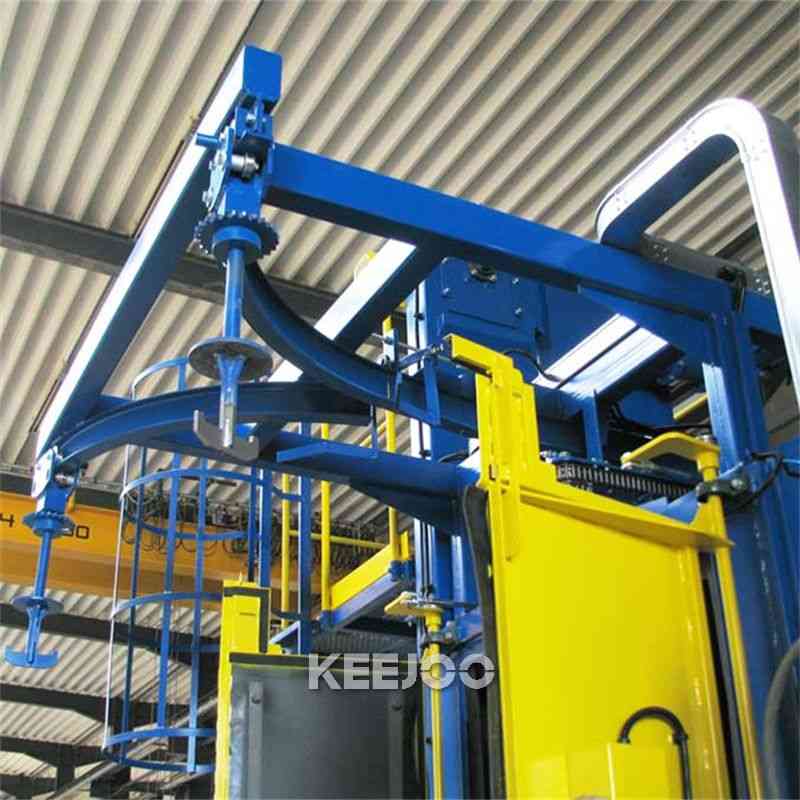
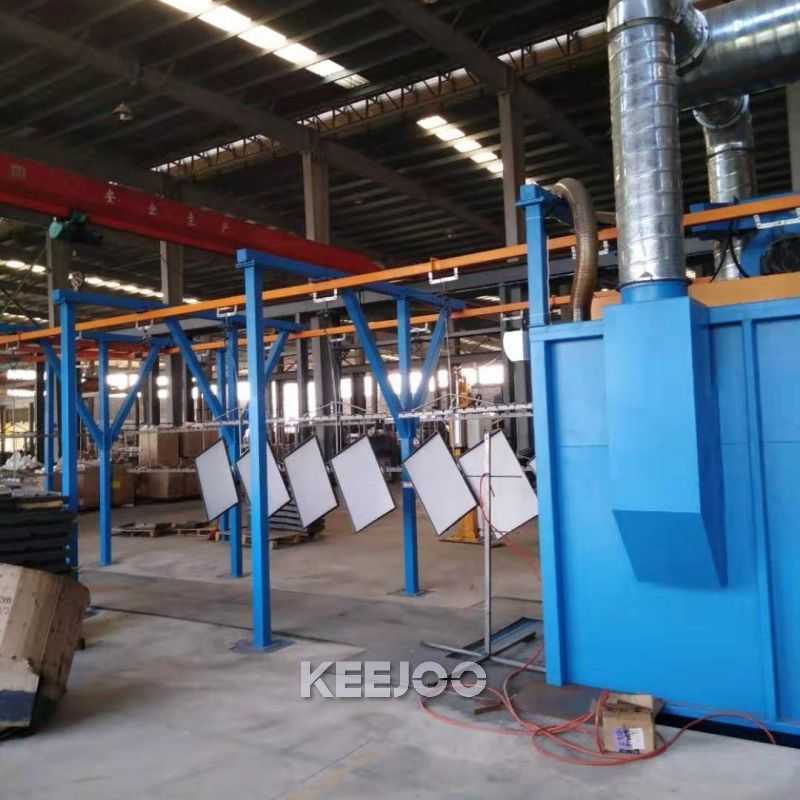
**Workpiece Pretreatment and Hanging Optimization:** Removing large pieces of dirt from the surface before cleaning reduces equipment load and improves efficiency by 15%. A well-designed hanging method (such as using rotating hooks or automatic tilting devices) ensures uniform workpiece rotation, allowing for thorough shot coverage. Batch processing of small workpieces reduces downtime.
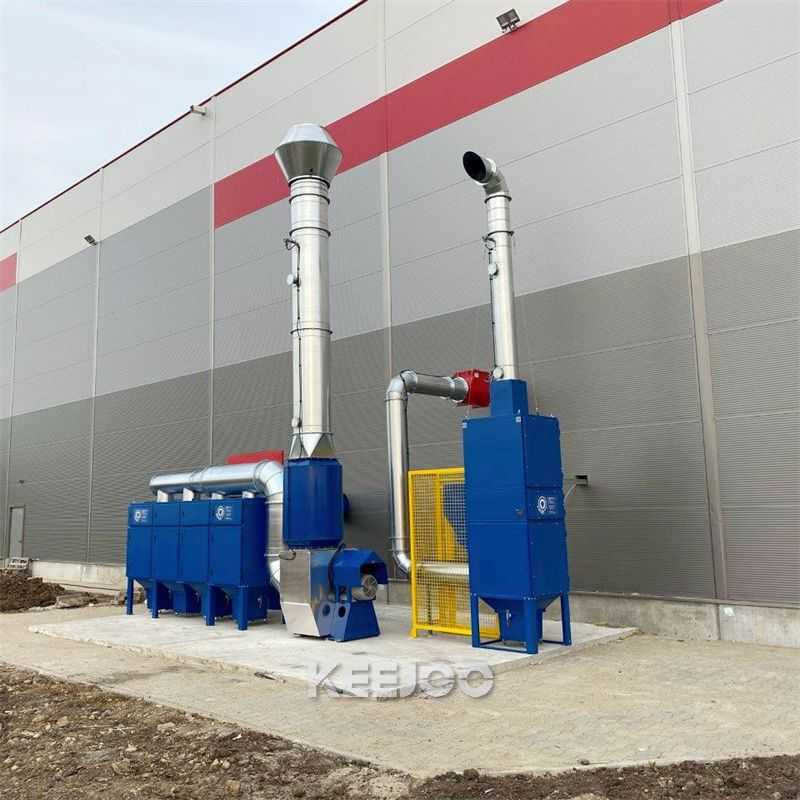
**Operation Management and Maintenance:** Regularly training operators and establishing a quality control system reduces human error. Developing a maintenance plan (such as regularly inspecting vulnerable parts of the shot blaster) reduces failure rates. One company improved equipment efficiency by 10% through standardized maintenance. Maintaining cleanliness and lubrication of the equipment extends its service life. Environmental control and energy-saving measures: Equipping the system with a high-efficiency dust removal system (such as a pulse-jet bag filter) ensures that dust emissions meet standards. Simultaneously, optimizing the working environment (controlling temperature and humidity) and adopting energy-saving technologies (such as variable frequency speed control) can reduce energy consumption by 20%-45%, thus mitigating environmental risks.