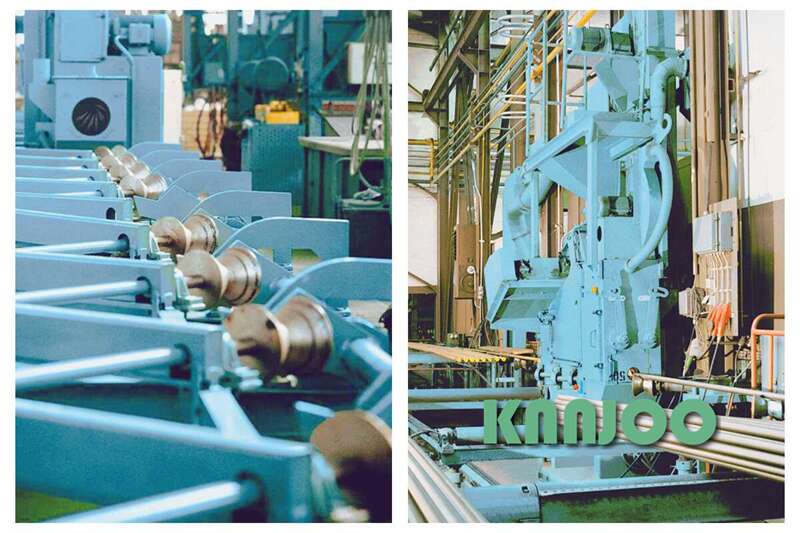
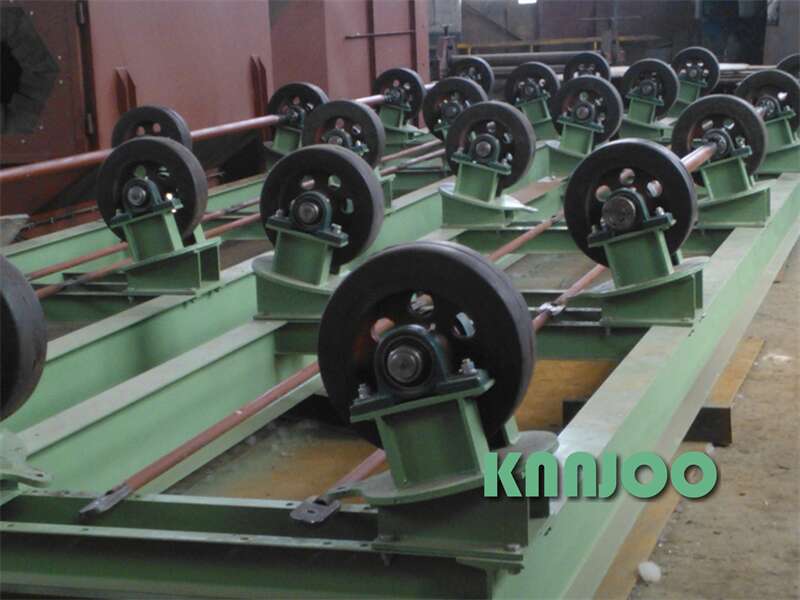
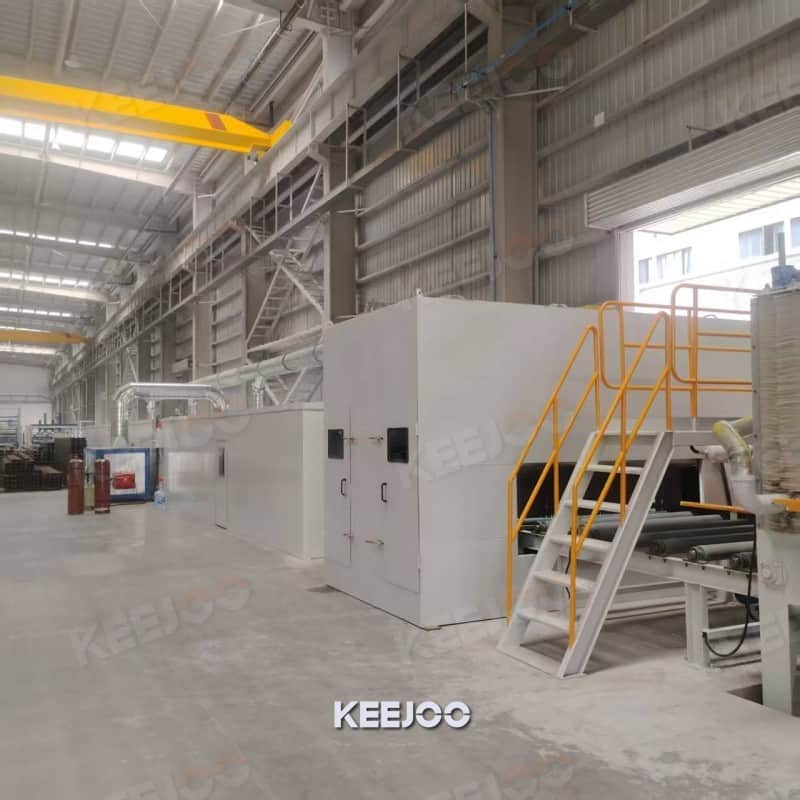
The necessity of shot blasting cleaning for oil drill pipes:
The necessity of shot blasting cleaning for oil drill pipes:
Increased lifespan: Oil drill pipes are exposed to various environmental and operational conditions that can lead to the accumulation of dirt, residues, and contaminants on their surfaces. These deposits can cause corrosion, wear, and fatigue, reducing the lifespan of the drill pipes. Shot blasting cleaning effectively removes these impurities, prolonging the life of the oil drill pipes.
Improved performance and efficiency: Shot blasting cleaning restores the original surface condition of the drill pipes by removing oxide layers, rust, and damages. This enhances the surface quality of the pipes, reduces frictional resistance, and improves transfer efficiency and drilling speed.
Protection of drilling tools and equipment: The presence of dirt and residues on the surface of oil drill pipes can adversely affect drilling tools and related equipment. For instance, oil sludge and mud residues can clog the pipe connections, leading to operational difficulties and damage. Shot blasting cleaning eliminates these potential issues, safeguarding the integrity of drilling tools and equipment.
Enhanced safety: The cleanliness of the oil drill pipe surface is crucial for the safety of the operators. Shot blasting cleaning removes sharp edges, impurities, and contaminants from the surface, reducing the risk of injuries during operations.
Compliance with regulations and standards: In the oil industry, shot blasting cleaning is often required to meet specific regulations and standards. By conducting shot blasting cleaning, these requirements can be met, ensuring the quality and reliability of oil drill pipes.
In summary, shot blasting cleaning for oil drill pipes is essential as it extends the lifespan of the pipes, improves performance and efficiency, protects drilling tools and equipment, enhances safety, and complies with industry regulations and standards. This helps ensure smooth production processes in the oil industry, increasing productivity and quality.