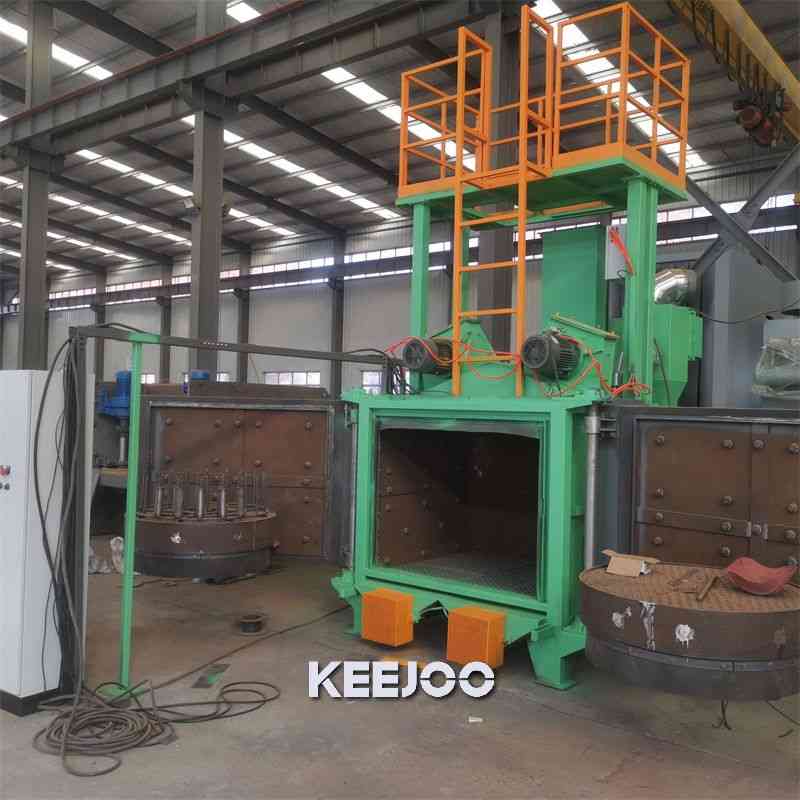
Shot blasting machine operating procedures
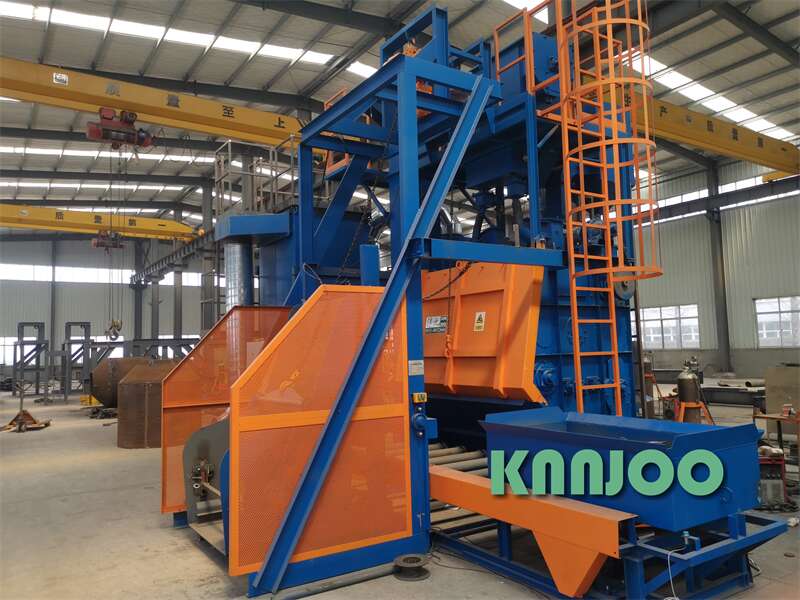
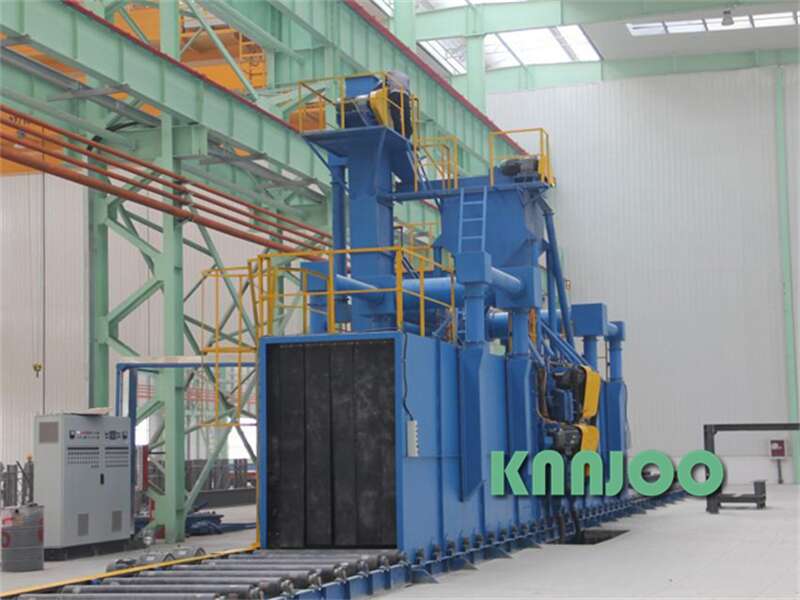
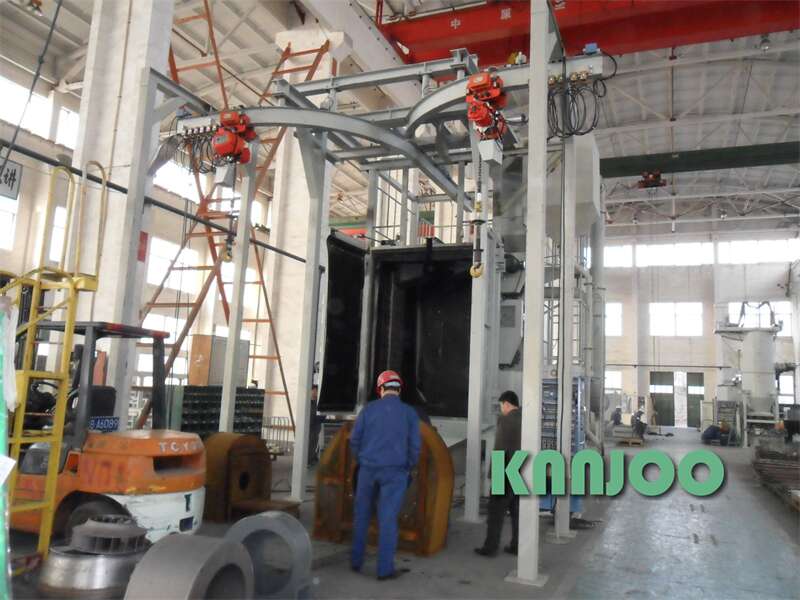
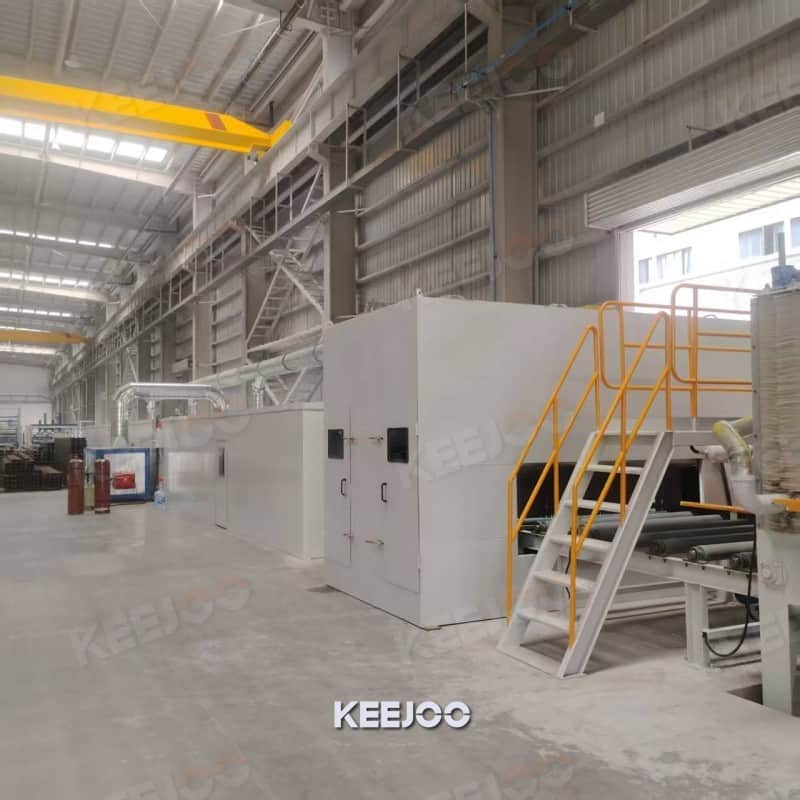
Shot blasting machine can remove scale, welding slag, dust and other substances on the surface of objects, and at the same time, it can also increase the adhesion of the coating. The operating procedures when using the shot blasting machine are as follows:
1. Wear protective clothing, work with a certificate, and at least two people operate.
2. Check whether the sandblasting system on the inner wall of the pipeline is normal. During sandblasting, the PLC sets the double-layer sandblasting tank so that the linkage control of the material level meter, intake air control valve, differential pressure gauge and exhaust air control valve can be used for continuous sandblasting.
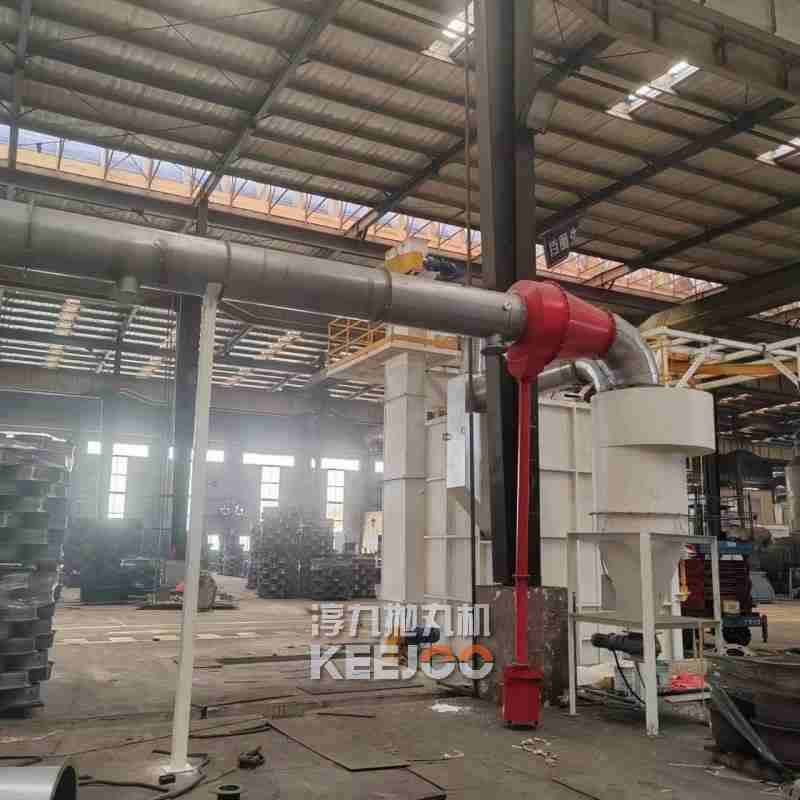
3. Whether the abrasive cyclone separator works normally. During the sandblasting process, the recovered abrasives and dust are effectively separated into the storage hopper.
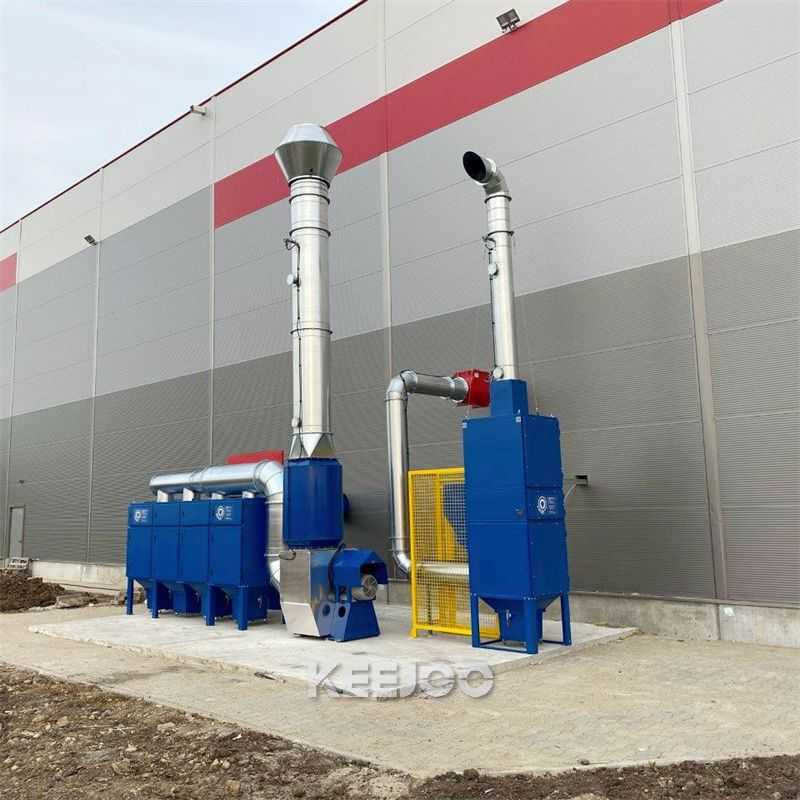
4. Check the dust removal system before sandblasting, and ensure that there is no dust overflow during cleaning (whether the pulse recoil device is effective in removing the dust accumulated on the outer wall of the filter element during equipment operation).
5. At the end of each shift, manually clean up the spilled abrasives, which are the front and rear cabin recovery rooms.
6. Regularly check the connection port of the system to ensure the tightness of the hydraulic pipeline system. If there is any air leakage, it should be maintained in time (once a month).
7. Regularly remove the dust in the dust box.
8. Regularly check the performance of vulnerable parts such as spray guns and sand pipes, and replace them in time if they are damaged (once a week).
9. The performance of the filter element of the dust collector is also checked and replaced in time (once every six months).
10. The chain, sprocket and motor should be lubricated once a month.
11. The electrical control cabinet should be opened frequently and the dust inside should be blown out with compressed air once a month.
12. When the equipment is working normally, irrelevant personnel are prohibited from approaching it.
13. Compressed air is forbidden to blow dust on the body.
14. In the event of a failure, the site should be kept and reported to the relevant department for processing.
15. Be sure to pay attention to safety when the equipment is running.